
Radon Gas Symptoms

What are the symptoms of radon in your home?
Unlike carbon monoxide, which makes you feel dizzy or sick right away, radon is a “silent” hazard. Its effects only show up after years of exposure, usually in the form of lung cancer.
Radon is a naturally occurring radioactive gas that can build up to dangerous levels in any home. Because it is colorless, odorless, and tasteless, it is impossible to detect without professional testing.
It is a common misconception that radon causes immediate symptoms like headaches, nausea, or skin rashes. It does not. You could live in a home with high radon levels for years and feel perfectly healthy.
Visual Cues
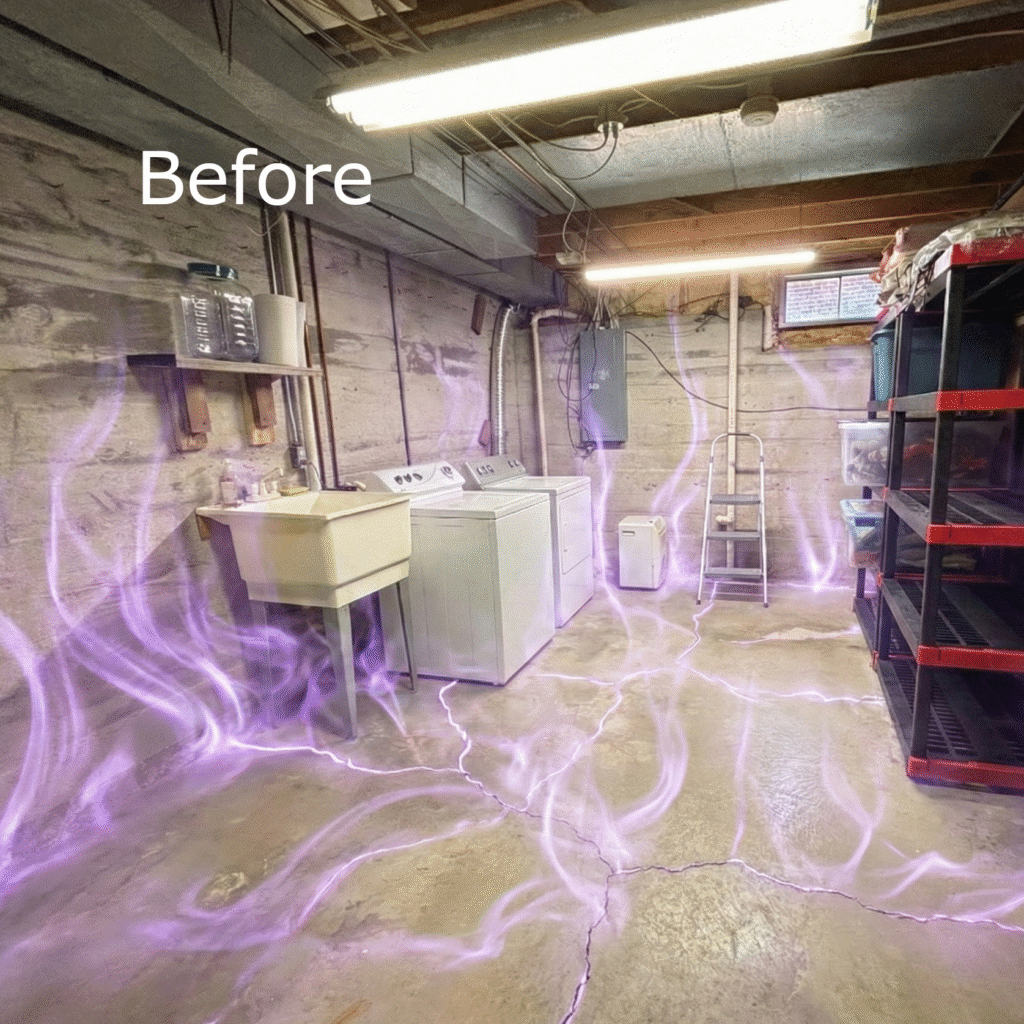
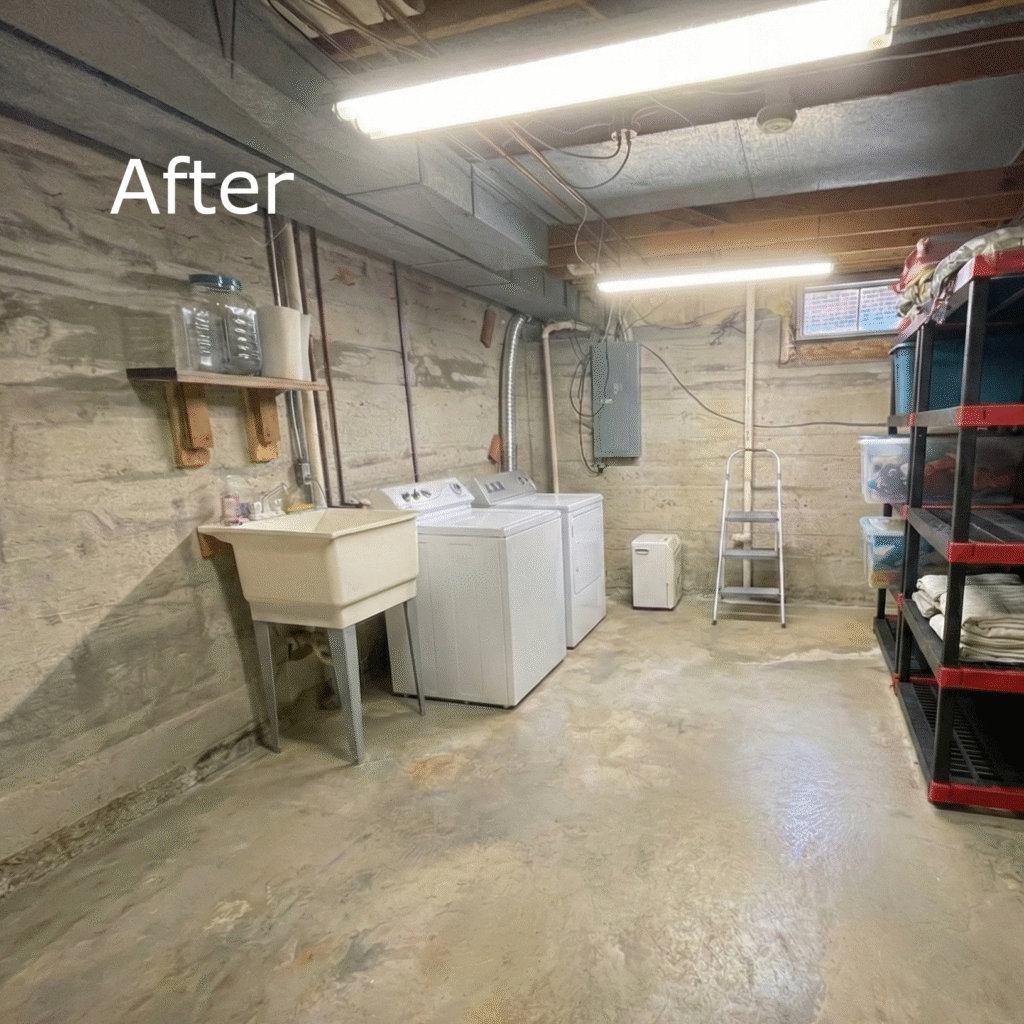
Sometimes you’ll see ‘visual cues’ like cracks in the slab or dampness, which definitely suggest that soil gases are making their way into your basement. But the big question is: does that gas contain radon? You’d be surprised—we’ve seen brand-new homes with perfect foundations show very high readings. Some entry routes will be hidden or inaccessible. For example, voids or cracks hidden by panelling, carpeting, appliances, wood framing, or other objects.
The only way to move from ‘guessing‘ to ‘knowing‘ is with a proper test. It’s the only definitive answer to the radon danger.
Effects of long-term Radon exposure
The primary health risk associated with long-term radon exposure is lung cancer. Radon particles, when inhaled, damage the DNA in lung tissue.
If you have been exposed to high levels of radon for a prolonged period, symptoms will mirror respiratory issues, and unfortunatley if these symptoms appear, it’s already too late:
Persistent Cough:
Cough that doesn't go away or worsens.
Wheezing:
New or unexplained changes in breathing sounds.
Coughing up Blood:
Rust-colored phlegm and frequent infections.
Shortness of Breath:
Difficulty breathing during normal activities.
Chest Pain:
Discomfort that often worsens with deep breathing or coughing.
How to Prevent?
Test Your Home
Mitigation
Short Term Test
The 96 Hours Test

The 96-hour assessment or the short-term test is the fastest way to know the danger. Although a short-term test only gives a snapshot of the radon levels at that moment, it is definitely better than guessing. For more accurate readings, a minimum of 91 days of continuous radon testing is needed.
Guessing or Testing & Mitigating?
Contact us now for immediate assistance or complete the form to receive a free estimate.
Phone: +1(587) 893-2765
Service Area: Calgary and Beyond
Hours: Open 24/7 All Year
FAQ on Radon Symptoms
Is feeling uneasy or unwell specifically while in the basement a common symptom of higher radon concentrations?
No, radon is an inert, odorless, tasteless gas. So a person wouldn’t know a thing for years, even if the levels are at 20,000 Bq/m3.
And by the time the symptoms start to appear, it’s often too late.
Would I be able to reduce radon levels by turning ON the basement kitchen exhoust?
No, while the basement kitchen or any exhaust for that matter will seem to be the obvious solution to get rid of radon gas, it’s actually making the situation even worse.
When an exhaust operates, it creates a vacuum or negative pressure inside the house, which is balanced by the inflow of soil gas, the #1 radon contributor.
What houses are most likely to have radon?
Only tree houses and houseboats are the two house types that won’t have the radon problem.
Any house that comes in contact with the soil, no matter how airtight it is, can have radon issues. So it’s not the type of house, but it’s the soil upon which it is built. Some geology has elevated uranium content, which causes dangerous radon levels. And factors such as air tight house or foundation cracks, crawl space, and or winter weather conditions, just contribute to the level of exposure.
If there is no uranium content in the soil, no matter what the condition of the house, there may be carbon monoxide, mold, or other problems, but it will never have any radon issues.
Can the effects of radon be reversed?
The effects of radon exposure are irreversible, as the damage caused is internal at the DNA level. However, the health effects, such as lung cancer, if detected early on, can be treated.
Regular health screening is advisable if you have been exposed to higher levels for prolonged durations.
What are home indicators of radon presense?
Even though there are no immediate physical symptoms of radon, because it’s an odorless, colorless gas, sometimes visual cues such as cracks in the foundation, dampness in basements, and mold suggest that elevated levels of soil gas and moisture are entering your basement.
Now, does this soil gas have radon in it? That can only be definitely concluded after a radon gas test.
How much does a typical radon test cost?
We offer short-term tests FREE of cost, which will give you a “snapshot” of radon levels at that specific moment. A professional Long-term test ranges from $150 to $300.