Services
Radon Mitigation in Calgary
Why Radon Mitigation works?
High levels of radon can be a daunting discovery for every concerned citizen. Even though its nerving, unfortunately, it’s a common place in Calgary and the surrounding area.
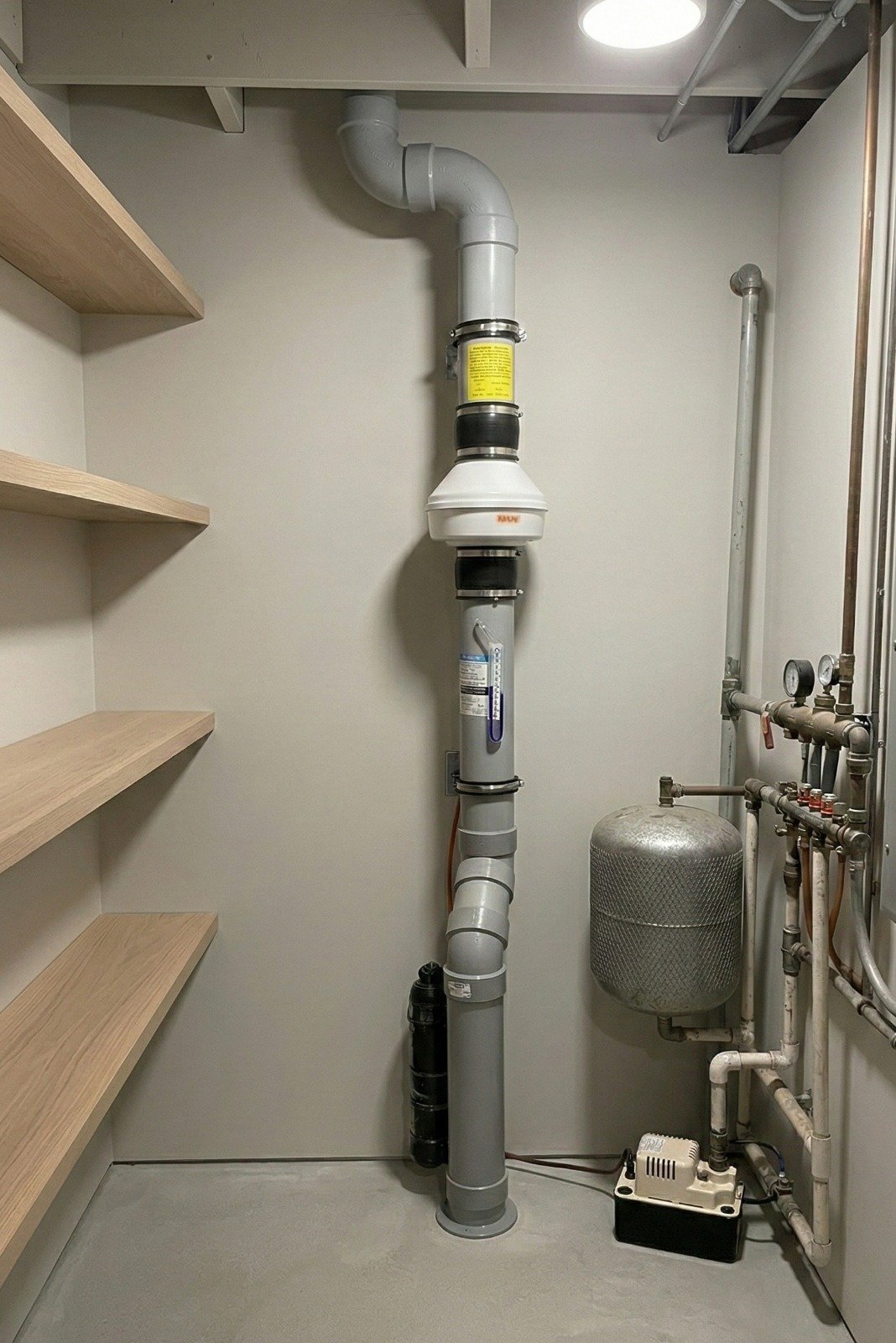
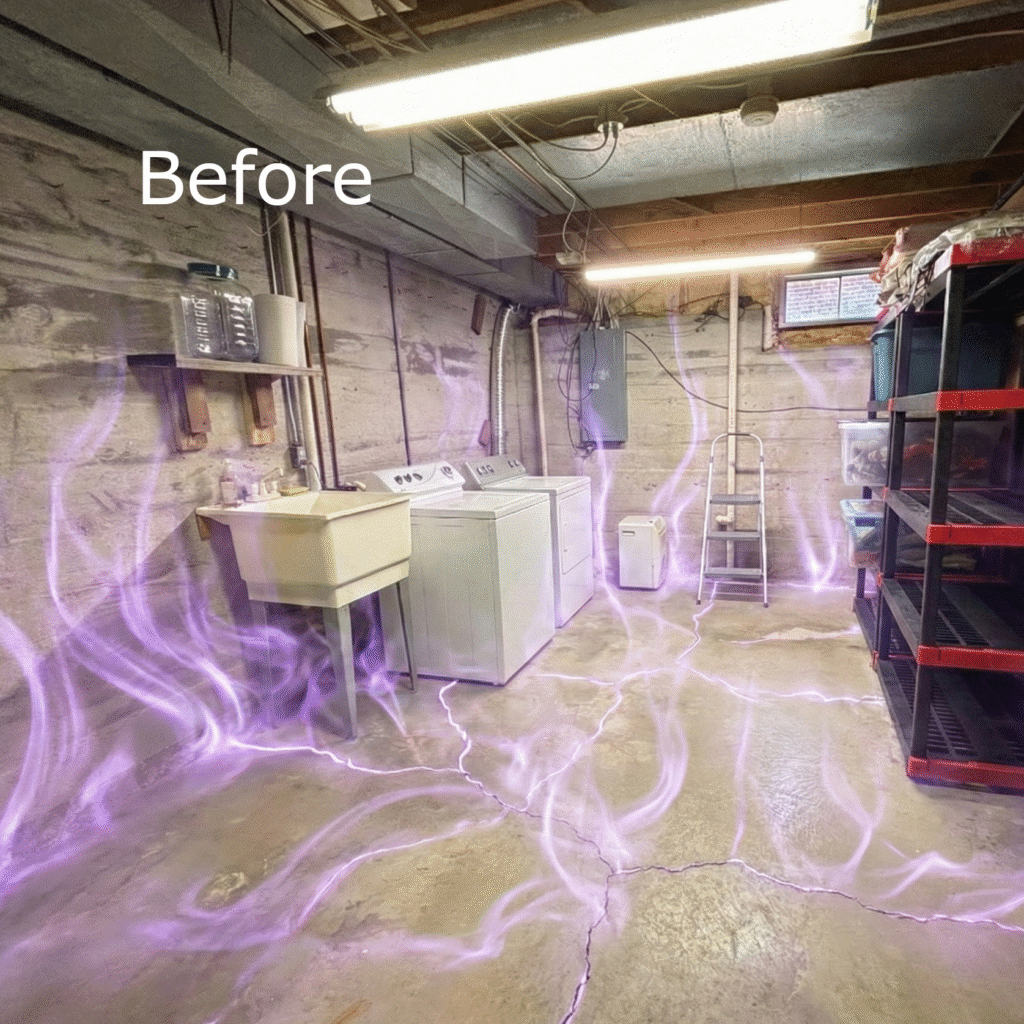
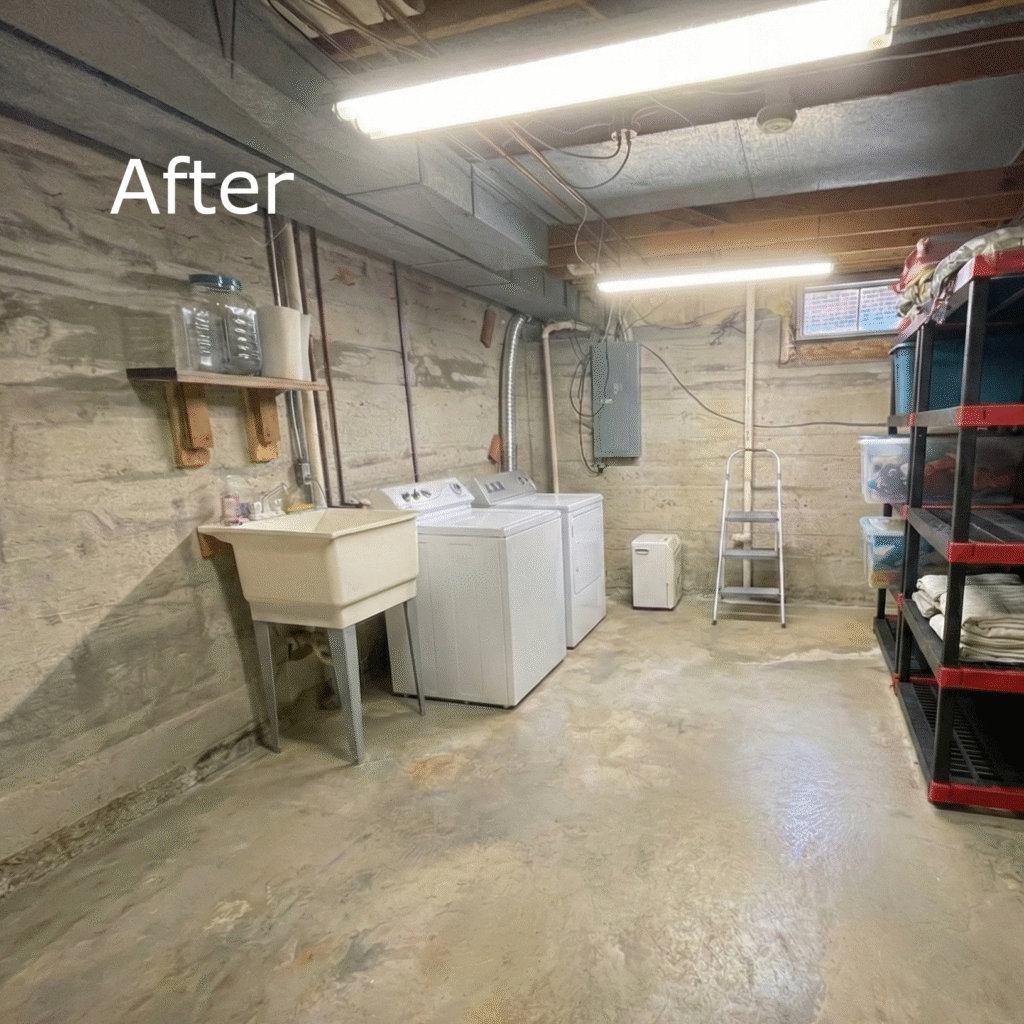
The obvious solution a person seeks is by venting the basement air, or sealing the basement cracks, or sealing the entire home; none of them works. However, a professionally licensed professional uses a custom-designed sub-slab depressurization system, tuned to reduce the radon levels up to 95%, because this technique intercepts the soil gas (the #1 contributor of radon) right at the source.
How Radon Mitigation work in Calgary?
The amount of radon that enters a building can be effectively reduced by addressing the direction of soil gas flow:
- Plugging all the slab cracks, basement service & utilities penetrations, foundation wall, and the slab joins
- Decreasing pressure in the soil beneath the slab or membrane (crawl space). Which in effect reverses the flow.
We implement a hybrid approach, resulting in a greater pressure difference between the sub-slab and inside the building, which substantially reduces any inward air flow.
Our experts serve the entire Calgary and Foothills region, including Okotoks, High River, Cochrane, and Airdrie. We specialize in 360 Degree exclusive radon services, so you have absolute value and peace of mind.

What is involved in Radon Mitigation?
Pre-installation diagnostics
Our technician will run diagnostics to determine the adequate fan size to depressurize the entire house’s sub-slab area
Core drilling
Based on the results and with the consent of the homeowner, the mitigation professional will core drill into the concrete slab (Usually in the furnace room)
Hardware placement
The technician creates an adequate breathing space beneath the sub-slab for the depressurization process and places the special radon pipes and fan in place, sealing the joints tightly to maximize the performance.
Post system installation
Sealing all possible radon entry points, cracks, sealing and insulating the space around the radon exhaust and rim joist, and fixing the slab area under the furnace
Post installation Diagonostics
Now the technician runs diagnostics and checks the reading on the CRM (Continuous Radon Monitor) to validate his work.
QA
To improve our process and make sure you get the most value, we take pictures, record measurements (Pre and post-mitigation), and log device calibration reports.
Kudos, Radon gone!
Guessing or Testing & Mitigating?
Contact us now for immediate assistance or complete the form to receive a free estimate.
Phone: +1(587) 893-2765
Service Area: Calgary and Beyond
Hours: Enquiries open 24/7 All Year Round
FAQ on Radon Mitigation
What is a Radon Mitigation System, and how does it work?
Since radon is a soil gas, the best way to mitigate it is to intercept it before it even enters your basement.
The most cost-effective method is a sub-slab or sub-membrane depressurization system that uses a specialized fan and PVC piping to draw radon gas from beneath the foundation or membrane (in case of Crawl space) and vent it safely outside before it ever enters the living space (Health Canada, 2023).
What is the "Action Level" for radon in Calgary?
Health Canada highly recommends taking action to mitigate your home if the radon levels are above 200 Bq/m³.
However, as there is no healthy level of radon, many homeowners choose to mitigate even at lower levels to follow the “As Low As Reasonably Achievable” (ALARA) principle (BC Lung Foundation, n.d.).
How much does a radon mitigation system cost in Calgary?
Typically, a professional installation ranges from $1,500 to $3,000, depending on the home’s footprint, build, and foundation type. Every mitigation gives its own challenges, so we usually provide free on-site consultation for a better quote and client satisfaction.
How long does the installation take?
Most standard residential systems can be installed in a single day, similar to a furnace or AC replacement.
How do I know the mitigation system is working?
Our professional will include a U-tube manometer (a pressure gauge) installed on the pipe. This allows the user to visually verify at any time that the fan is creating the necessary suction under the slab or membrane.
Will I need to re-test my home after the system is installed?
Yes. Our technician will request you to conduct a follow-up test (usually 1–2 days after the installation) to ensure the system has effectively lowered the radon levels below the guideline.
For more accurate readings, we highly suggest keeping the Radon test equipment in the same place and condition as it was prior to the mitigation.
Does the system require regular maintenance?
The system is designed to run 24/7 with very little maintenance. However, it is recommended to check the pressure gauge occasionally and re-test the home every 2–5 years to ensure continued performance.
How much will be the power cunsumpition of running the radon mitigation system 24/7, 365 days?
Most systems run on 60–70 watts, creating an annual energy consumption similar to leaving a low-wattage lightbulb ON continuously, averaging roughly $5–$8 per month or between $50 and $100 per year.
Is there any added power penalty in running radon system?
Yes. There is an indirect power penalty due to the loss of conditioned air from the house.
When the mitigation system works, the sub slab pressure turns -ive, which prevents the soil gas from entering the basement, but the side effect is, it also starts to sucking out the conditioned air inside the house.
So it’s highly recommended to mitigate a basement before it’s finished, because now the mitigator has access to the entire perimeter shrinkage gap, plumbing block outs, basement wall gaps, cracks, and utility gaps. When sealed properly, the efficiency of the system increases; at the same time, it reduces the power consumption.